
The Sundarbans, a UNESCO World Heritage Site, is a unique and stunning ecosystem that provides visitors with the opportunity to explore the largest mangrove forest in the world. Located in the delta region of the Padma, Meghna, and Brahmaputra river basins, this captivating area is renowned for its remarkable biodiversity and its essential role in protecting the coastal regions of India and Bangladesh from erosion and cyclones. Here are several compelling reasons to visit the Sundarbans:


Accredited by the International Air Transport Association (IATA) and recognized by the Ministry of Tourism (MOT), India.

Our 300+ branches ensures that we are always within your reach, providing personalized services no matter where you are.

Get the most competitive rates for domestic and international flights and comprehensive travel insurance to secure your journey.

Enjoy peace of mind with our round-the-clock support for passport assistance, VISA & document attestation.
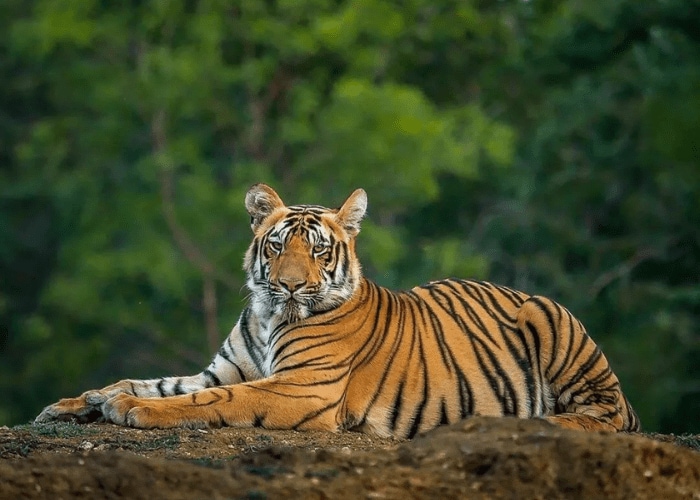
Sundarbans National Park is the heart of the Sundarbans mangrove ecosystem and is famous for its rich biodiversity, particularly the iconic Royal Bengal Tiger. Spanning over 1,330 square kilometers, the park is a paradise for wildlife enthusiasts, offering opportunities for wildlife safaris by boat. Visitors can observe a variety of species, including birds, deer, and crocodiles, as they navigate the complex network of waterways and mangroves.
Designated as a biosphere reserve in 1989, this area includes the national park and represents an important conservation zone that supports a diverse array of plant and animal species. The reserve's goal is to promote sustainable development while safeguarding the unique ecosystem of the Sundarbans. Visitors can explore its distinctive landscapes, observe various wildlife, and learn about the ongoing conservation initiatives.

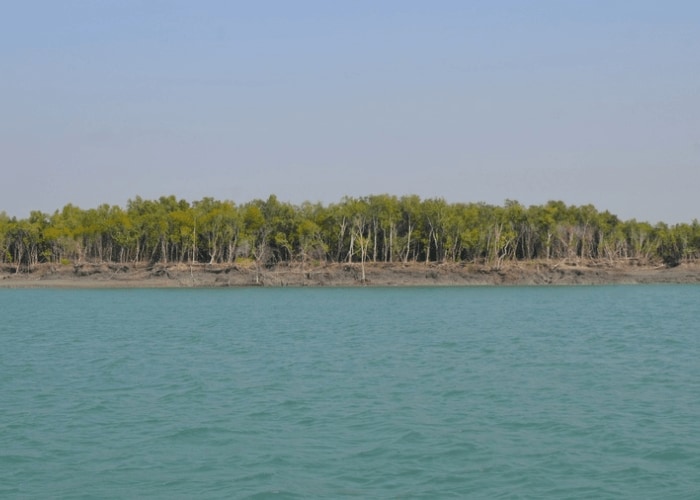
Netidhopani is an important archaeological site within the Sundarbans, known for its ancient temple ruins and beautiful landscapes. The site is accessible by boat and offers a glimpse into the region's historical significance. It is also a popular spot for viewing wildlife, where you might glimpse tigers, deer, and birds.
Located on the fringes of the Sundarbans, Sajnekhali Wildlife Sanctuary is an excellent spot for birdwatching and wildlife viewing. It features a well-maintained watchtower that offers panoramic views of the surrounding mangroves and waterways. The sanctuary is home to various species of birds, including migratory ones, reptiles, and mammals. The visitor centre provides insights into the local ecosystem and conservation efforts.
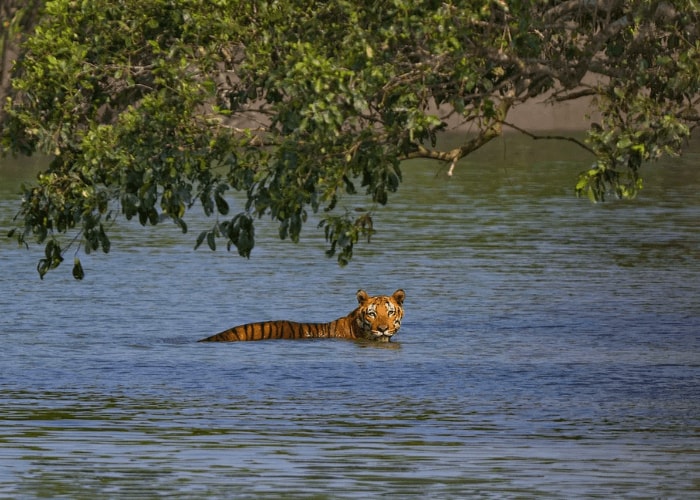
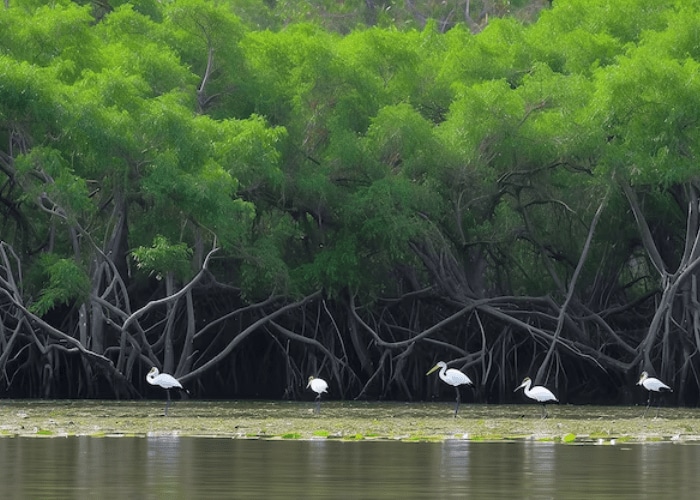
Pakhiralay is a charming riverside village known for its stunning natural beauty and tranquil environment. Visitors can enjoy boat rides through the serene waters of the Sundarbans while soaking in the picturesque views of the mangroves and wildlife. The village is also an excellent place to experience the local culture and hospitality, with opportunities to interact with local communities and sample traditional cuisine.
These attractions highlight the diverse experiences available in the Sundarbans, from thrilling wildlife encounters to serene natural beauty and rich cultural heritage.
The best time to visit the Sundarbans is between November and February. During these months, the weather is pleasantly cool and dry, making it ideal for exploring the mangroves and wildlife. Temperatures range from 10°C to 25°C, allowing visitors to enjoy outdoor activities like boat safaris and birdwatching without the discomfort of heat and humidity. This period also coincides with the winter migratory season, attracting a variety of bird species and creating a paradise for birdwatchers and nature enthusiasts.
From March to May, temperatures gradually rise, often reaching up to 35°C or higher. While wildlife viewing is still possible during this time, the heat can make daytime excursions uncomfortable. However, this season also showcases the vibrant flora of the Sundarbans, with blooming flowers adding to the region's charm. It is recommended to plan visits for early morning or late afternoon during these months to avoid the heat.

Reaching the Sundarbans is convenient and accessible for both domestic and international travellers, with multiple transport options available.
Domestic tourists can start their journey at Netaji Subhas Chandra Bose International Airport (CCU) in Kolkata, which is the main gateway to the Sundarbans. Numerous flights connect Kolkata to major Indian cities. Upon arrival, visitors can hire a taxi or use rideshare services to travel to the Sundarbans, approximately a 2-3 hour drive away.
Trains run frequently from Kolkata to Canning or Basirhat, the nearest railway stations to the Sundarbans. Travellers commonly use the Canning Local train. After reaching one of these stations, you can find auto-rickshaws or taxis to continue your journey into the Sundarbans, which typically takes 1-2 hours.
Road travel provides flexibility for those preferring to drive. The distance from Kolkata to the Sundarbans is around 110 kilometers. You can hire a private taxi or take a state-run bus, both of which take about 3-4 hours. The most common route is via the NH16 highway, passing through towns like Kultali and Canning.
International tourists travelling to the Sundarbans will also arrive at Netaji Subhas Chandra Bose International Airport (CCU) in Kolkata. This airport connects to various international destinations, making it convenient for travellers worldwide. After landing, they can follow the same route as domestic tourists, taking a taxi or rideshare service to the Sundarbans.
After arriving in Kolkata, they can board a train to Canning Basirhat. Once at the railway station, local transportation like auto-rickshaws or taxis can take them to their destination in the Sundarbans.
Road travel is an option for international tourists already in India if you are in a nearby city. After arriving in Kolkata, they can drive to the Sundarbans by following the same road routes as domestic travellers. It's